
Guides et publications
De Produits
Catégories d'aide
Personnel serviable
Conseils Techniques et Sélection de Systèmes
Trouvez la bonne Préparation ou Solution
Recherchez par méthode de préparation ou par problème pour accéder au guide technique approprié. Du meulage et de la gravure à l'humidité, l'huile et la défaillance des revêtements, suivez le bon processus pour votre substrat.

- 0 commentaire
- par Sam Marriott
Problèmes d'adhérence sur les sols autonivelants et surfacés au béton lissé
- 0 commentaire
- par Sam Marriott
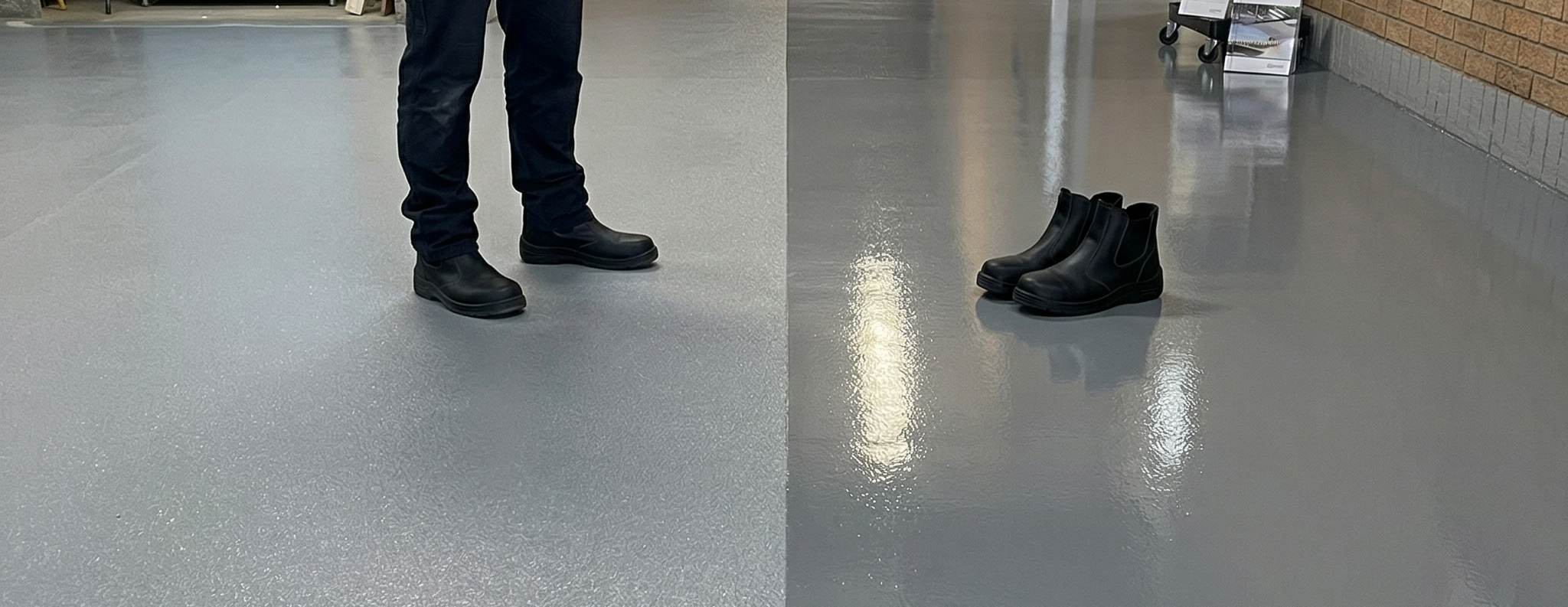
Le sol peint est-il trop glissant ? Avantages et applications de la peinture antidérapante pour sol
- 0 commentaire
- par Sam Marriott
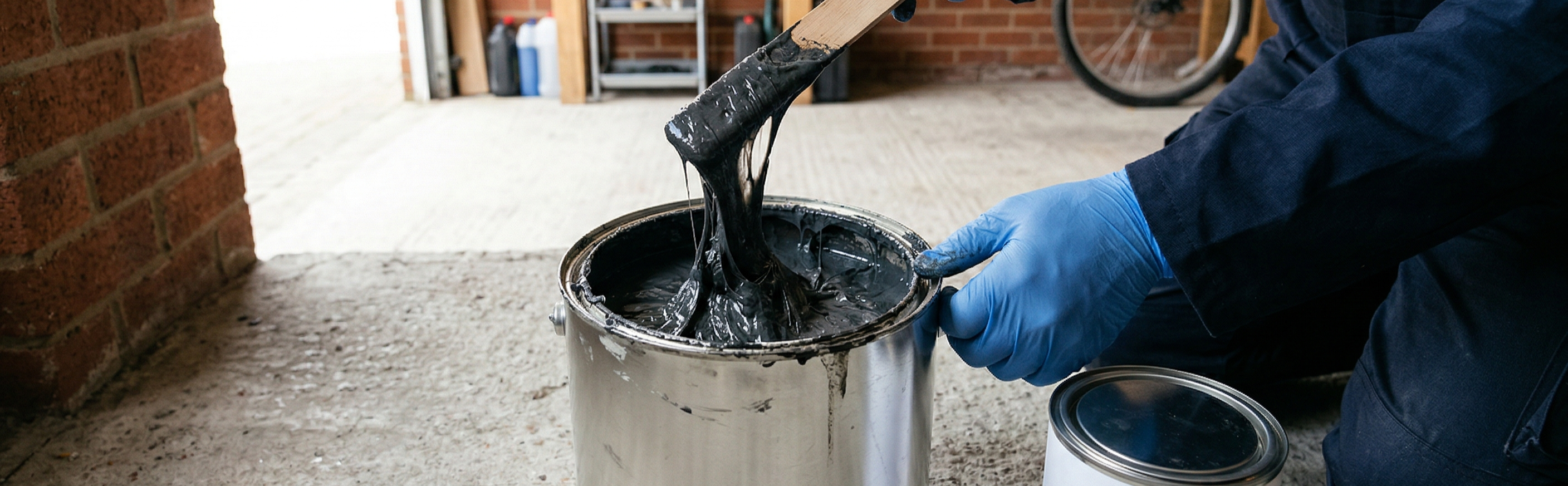
Époxy bi-composant durci trop vite ? Comment gérer la durée de vie en pot
No guides found matching your search.
Try a different keyword.
Pour les revêtements défectueux et les sols problématiques
Dépannage de la peinture de sol
Des guides techniques pour diagnostiquer les défaillances des revêtements et appliquer le système de réparation approprié. Du décollement à la formation de cloques, en passant par l'humidité et la contamination, identifiez la cause et réparez correctement.
Problèmes d'adhérence sur les sols autonivelants et surfacés au béton lissé
Le sol peint est-il trop glissant ? Avantages et applications de la peinture antidérapante pour sol
Époxy bi-composant durci trop vite ? Comment gérer la durée de vie en pot
Échecs courants des revêtements expliqués
Peinture pour sol FAQ sur le dépannage
FAQ sur le décollement et le délaminage
Le décollement des revêtements est presque toujours dû à une mauvaise adhérence. Cela résulte généralement d'une préparation de surface inadéquate, d'une contamination ou de l'application de revêtements sur du béton scellé ou lisse.
Pourquoi la peinture de mon sol s'écaille-t-elle ?
Le décollement se produit lorsque le revêtement n'adhère pas au support. Les causes courantes incluent la laitance, les anciens scellants, le béton lissé à la truelle mécanique ou une préparation mécanique insuffisante.
Comment réparer la peinture écaillée sur un sol ?
Tout revêtement défectueux doit être entièrement retiré par meulage ou grenaillage. La surface doit ensuite être correctement préparée avant de réappliquer un apprêt et un système de revêtement appropriés.
Puis-je peindre par-dessus de la peinture écaillée ?
Non. Tout revêtement lâche ou mal adhérant continuera de s'écailler. Tout matériau friable doit être retiré jusqu'à un substrat sain avant d'appliquer un nouveau revêtement.
Le béton lisse provoque-t-il le décollement de la peinture ?
Oui. Le béton surfacé ou le béton dense empêchent la pénétration et l'adhérence. Une préparation mécanique est nécessaire pour ouvrir le profil de surface.
Ai-je besoin d'une sous-couche pour éviter le décollement de la peinture ?
Dans la plupart des cas, oui. Un primaire adapté améliore l'adhérence, notamment sur les supports poreux ou déjà préparés.
Foire aux questions sur les cloques et les bulles
Le cloquage est généralement causé par l'humidité, l'air ou les vapeurs de solvants piégés sous le revêtement. C'est un problème courant sur le béton humide ou non scellé.
Pourquoi ma peinture de sol fait-elle des bulles ?
La formation de bulles se produit généralement lorsque de l'humidité ou de l'air est emprisonné sous le revêtement pendant le durcissement. C'est fréquent sur le béton humide ou lorsque les revêtements sont appliqués trop épais.
L'humidité peut-elle provoquer des cloques?
Oui. La vapeur d'eau qui monte à travers la dalle crée une pression, ce qui fait décoller le revêtement et former des cloques.
Comment réparer une peinture de sol qui cloque ?
Retirer toutes les zones affectées, laisser le substrat sécher si possible, et appliquer un système tolérant à l'humidité ou respirant si l'humidité ne peut être éliminée.
La température affecte-t-elle les cloques ?
Oui. Les températures élevées peuvent entraîner un durcissement rapide, piégeant l'air ou le solvant et provoquant des bulles.
Puis-je repeindre par-dessus les bulles ?
Non. Les revêtements cloqués doivent être enlevés avant de repeindre, sinon la défaillance persistera.
CONTAMINATION ET HUILE : FOIRE AUX QUESTIONS
La contamination par l'huile, la graisse et les produits chimiques empêche les revêtements de pénétrer et d'adhérer au substrat. Un dégraissage adéquat est essentiel avant toute préparation.
L'huile empêchera-t-elle la peinture de sol d'adhérer ?
Oui. La contamination par l'huile bloque l'adhérence et entraînera une défaillance du revêtement si elle n'est pas entièrement éliminée.
Comment enlever de l'huile du béton ?
Utilisez un dégraissant puissant et répétez le nettoyage si nécessaire. Dans les cas graves, une préparation mécanique peut encore être requise après le nettoyage.
Puis-je peindre sur un ancien plancher de garage ?
Seulement s'il est propre et correctement préparé. Toute trace d'huile, de résidus de pneus ou d'anciens revêtements doit être retirée ou stabilisée.
Que se passe-t-il si je saute le dégraissage ?
Le revêtement se détériorera prématurément, se décollant ou se soulevant souvent dans les zones contaminées.
Le nettoyage haute pression enlève-t-il l'huile ?
Pas entièrement. Le lavage à pression aide, mais un dégraissage chimique est nécessaire pour décomposer les contaminants incrustés.
FAQ sur la poussière, l'écaillage et les surfaces faibles
Les surfaces en béton friables ou poussiéreuses ne peuvent pas supporter un système de revêtement. Elles doivent être stabilisées ou enlevées avant l'application.
Pourquoi mon sol en béton est-il poussiéreux ?
Le farinage est causé par une laitance superficielle faible ou une mauvaise cure. La couche supérieure du béton se dégrade à l'usage.
Puis-je peindre sur du béton poussiéreux ?
Non. La poussière empêche l'adhérence. La surface doit être préparée mécaniquement et stabilisée avant d'appliquer le revêtement.
Comment réparer un sol en béton poussiéreux ?
Meuler ou retirer la couche de surface faible, puis appliquer un apprêt ou un scellant approprié pour stabiliser le substrat.
Quelles sont les causes de l'écaillage du béton ?
Le faïençage est souvent dû à une faible résistance de surface, à des dommages causés par l'humidité ou à des cycles de gel-dégel.
Ai-je besoin d'un primaire sur du béton faible ?
Oui. Une sous-couche pénétrante aide à lier la surface et à améliorer l'adhérence du revêtement.
FAQ Humidité
L'humidité dans le béton est une cause majeure de défaillance du revêtement. Elle doit être évaluée avant de choisir un système de revêtement.
Puis-je peindre un sol en béton humide ?
Les revêtements standard ne doivent pas être appliqués sur du béton humide. L'humidité peut provoquer des cloques et une défaillance de l'adhérence.
Comment savoir si mon sol est humide ?
Les signes courants incluent des taches foncées, de la condensation ou une défaillance de l'ancien revêtement. Les tests d'humidité fournissent une évaluation plus précise.
Que se passe-t-il si j'ignore l'humidité ?
Le revêtement peut cloquer, s'écailler ou se détériorer prématurément en raison de la pression de la vapeur d'eau.
Existe-t-il des peintures pour sols humides ?
Oui. Les systèmes tolérants à l'humidité ou respirants sont conçus pour les supports où l'humidité ne peut pas être totalement éliminée.
Le scellement du sol empêche-t-il l'humidité ?
Pas toujours. L'humidité peut quand même remonter à travers la dalle, à moins qu'un système d'étanchéité approprié ne soit utilisé.
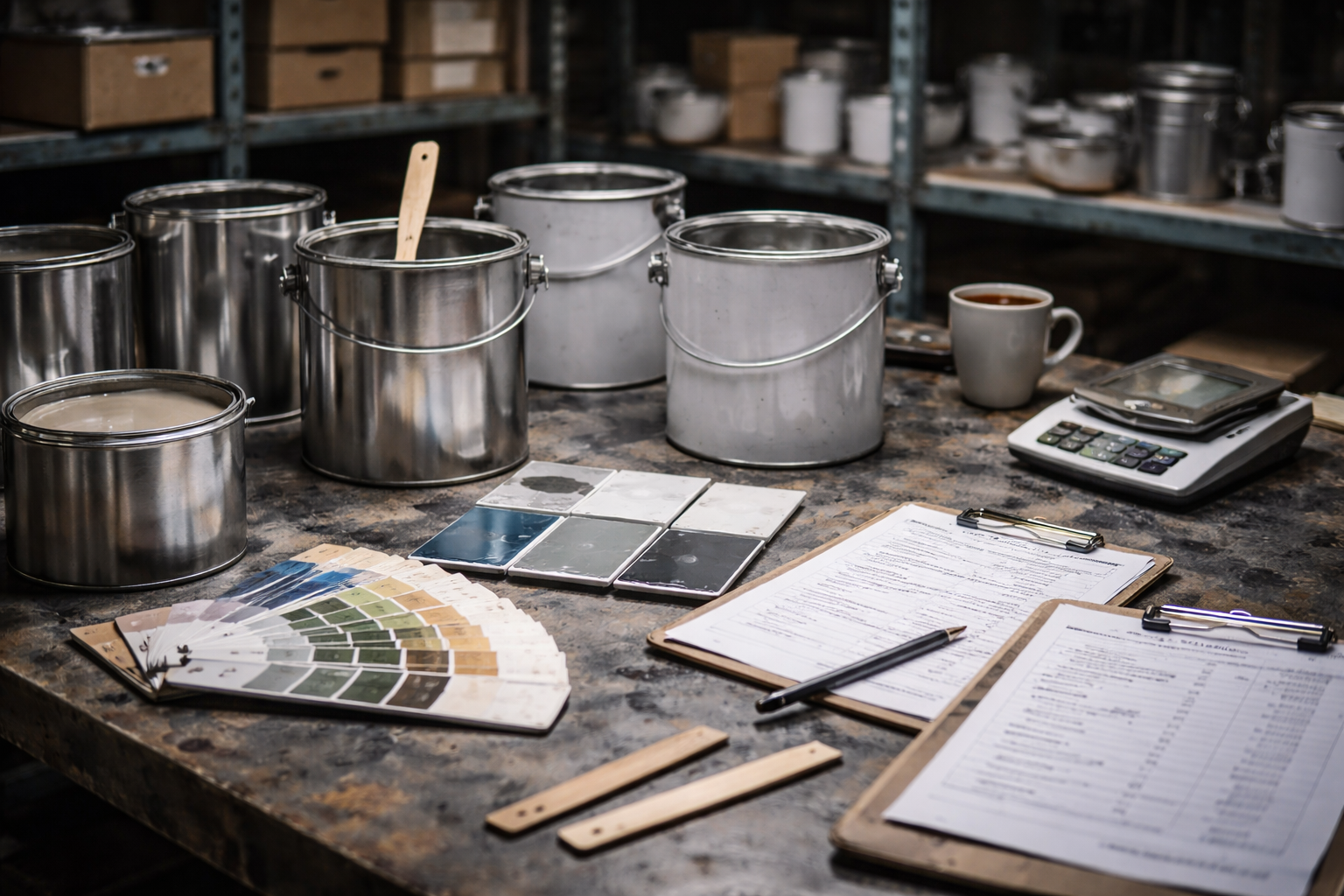
Le Centre d'aide et technique
Nos revêtements ne sont pas seulement performants, ils s'accompagnent également d'une documentation claire, de guides pratiques et d'un véritable support technique.
Le Centre d'aide et technique rassemble des guides de préparation, des conseils d'application, des FAQ, des téléchargements de FDS et FT, ainsi que des recommandations de systèmes pour vous aider à choisir, appliquer et entretenir le bon revêtement en toute confiance.