

Guides et publications
Des produits
Catégories d'aide
Personnel serviable
Conseils techniques et solutions de surface
Trouver la bonne préparation ou solution
Recherchez par type de surface ou par problème pour accéder au guide technique approprié. Des pavés aux bétons en passant par les taches, les algues et les scellants défaillants, suivez le bon système pour une performance à long terme.

- 0 commentaire
- par Sam Marriott

- 0 commentaire
- par Sam Marriott
Faut-il enlever l'efflorescence avant d'appliquer un scellant ? Dépôt blanc sur les pavés

- 0 commentaire
- par Sam Marriott
Fleur de scellant : Pourquoi votre allée a blanchi et comment y remédier
No guides found matching your search.
Try a different keyword.
Pour les allées, terrasses et surfaces extérieures
Dépannage pour allées et patios
Guides techniques pour diagnostiquer les problèmes courants de surfaces extérieures et appliquer le système de traitement correct. Couvre les scellants, les taches, la croissance biologique et la dégradation de surface.
Faut-il enlever l'efflorescence avant d'appliquer un scellant ? Dépôt blanc sur les pavés
Fleur de scellant : Pourquoi votre allée a blanchi et comment y remédier
Problèmes courants liés aux surfaces et aux scellants expliqués
Allée et Patio Foire aux questions sur le dépannage
FAQ sur les algues, la mousse et les proliférations biologiques
Les surfaces extérieures sont exposées à l'humidité et à la croissance organique. Les algues, la mousse et les lichens affectent non seulement l'apparence, mais peuvent également créer des risques de glissade et dégrader les scellants.
Pourquoi ma terrasse verdit-elle constamment ?
Les algues et la mousse se développent dans les zones humides et ombragées où l'humidité est retenue. Cela est courant sur les surfaces exposées au nord ou mal drainées.
Comment enlever les algues des pavés ?
Utilisez un biocide ou un produit fongicide adapté pour tuer la croissance à la racine. Le nettoyage sous pression seul n'empêchera pas la repousse.
Pourquoi cela revient-il si vite ?
Si les spores ne sont pas entièrement tuées, la repousse se produira. L'humidité constante et le manque de lumière du soleil accélèrent la réapparition.
Peut-on sceller par-dessus des algues ?
Non. Toute croissance biologique doit être entièrement retirée et traitée avant le scellement.
Le scellement empêche-t-il la croissance des algues ?
Un bon scellant peut réduire l'absorption d'eau et ralentir la repousse, mais ne l'élimine pas entièrement.
FAQ sur le décollement et les défaillances du scellant
Les produits d'étanchéité peuvent échouer en raison d'une mauvaise préparation, d'une sélection de produit incorrecte ou d'une application sur des surfaces humides ou contaminées.
Pourquoi mon scellant s'écaille-t-il ou se décolle-t-il ?
Ceci est généralement dû à l'application d'un scellant sur une surface humide, à une contamination ou à l'utilisation du mauvais type de scellant pour le substrat.
Puis-je appliquer un scellant sur un ancien scellant ?
Seulement si le revêtement existant est sain et compatible. Dans le cas contraire, il doit être enlevé avant la réapplication.
Comment réparer un scellant défectueux ?
Retirez tous les matériaux défectueux, nettoyez et préparez soigneusement la surface, puis réappliquez le système d'étanchéité approprié.
L'humidité est-elle la cause de la défaillance du scellant ?
Oui. L'humidité emprisonnée peut empêcher le durcissement et entraîner un blanchiment, un décollement ou un délaminage.
Puis-je simplement repeindre par-dessus les zones écaillées?
Non. Toutes les zones défaillantes doivent être retirées pour assurer une bonne adhérence du nouveau système.
Questions fréquentes sur le blanchiment, l'efflorescence et le voile
Des taches blanches ou troubles dans les scellants sont généralement causées par l'humidité emprisonnée ou des conditions de séchage incorrectes.
Pourquoi mon scellant est-il devenu blanc ?
Il s'agit généralement d'humidité emprisonnée sous le scellant ou à l'intérieur du revêtement pendant le durcissement.
Le temps peut-il provoquer le blanchiment du scellant ?
Oui. La pluie, un taux d’humidité élevé ou des températures froides lors de l’application peuvent provoquer un farinage ou un voile.
Comment réparer un scellant blanc ou trouble ?
Dans certains cas, une réactivation avec du solvant peut être utile. Les cas graves nécessitent l'enlèvement et la réapplication.
Puis-je éviter l'effet de blooming ?
Appliquer uniquement par temps sec, sur des supports parfaitement secs, et dans les plages de températures recommandées.
FAQ’s TACHES, HUILE ET CONTAMINATION
Les surfaces extérieures sont très exposées aux taches provenant des véhicules, des matières organiques et des contaminants environnementaux.
Les taches d'huile affecteront-elles l'étanchéité ?
Oui. L'huile empêche la pénétration et l'adhérence des scellants, ce qui entraîne une défaillance.
Comment enlever l'huile des pavés autobloquants ?
Utilisez un dégraissant puissant et répétez le traitement si nécessaire. Les taches incrustées peuvent nécessiter un nettoyage mécanique.
Puis-je appliquer un scellant sur des pavés tachés ?
Seulement si les taches sont entièrement éliminées ou stabilisées. Sinon, elles risquent de transparaître ou d'affecter l'adhérence.
Quelles sont les causes des taches noires sur les terrasses ?
Souvent de la croissance organique ou des taches de tanin provenant de feuilles et de débris.
Le nettoyage sous pression élimine-t-il toutes les taches ?
Non. Le nettoyage chimique est souvent nécessaire pour une élimination efficace des taches.
FAQ sur la décoloration et l'usure de surface
L'exposition aux UV, au trafic et aux intempéries dégrade progressivement la couleur de surface et les revêtements protecteurs.
Pourquoi mon allée a-t-elle perdu sa couleur ?
L'exposition aux UV et l'usure dégradent les pigments et les revêtements de surface au fil du temps.
Puis-je restaurer mon pavé décoloré ?
Oui. Les scellants ou revêtements qui rehaussent la couleur peuvent restaurer et protéger la surface.
La vitrification améliore-t-elle la couleur ?
De nombreux scellants améliorent la couleur en approfondissant les tons et en offrant un fini « aspect mouillé ».
Pourquoi ma surface a-t-elle un aspect irrégulier ?
Une absorption irrégulière, des revêtements précédents ou une préparation incohérente peuvent entraîner un aspect irrégulier.
À quelle fréquence dois-je resceller une allée ?
Généralement tous les 2 à 5 ans, selon le trafic, l'exposition et le type de scellant.
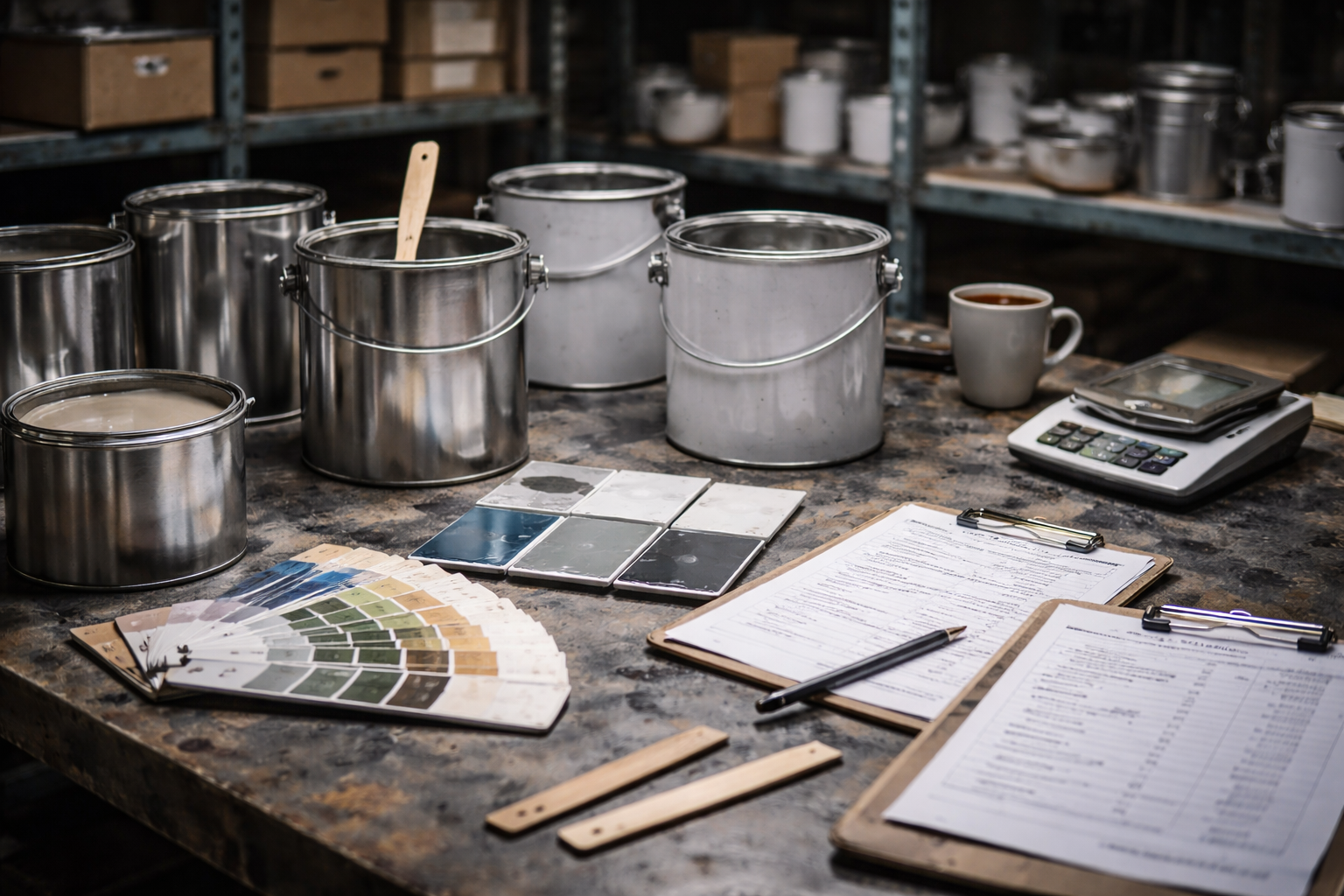
Le Centre d'aide et technique
Nos revêtements ne sont pas seulement performants, ils sont également étayés par une documentation claire, des guides pratiques et un véritable support technique.
Le Centre d'aide et d'assistance technique regroupe des guides de préparation, des conseils d'application, une FAQ, des téléchargements de fiches de données de sécurité (FDS) et de fiches techniques (TDS), ainsi que des recommandations de systèmes pour vous aider à choisir, appliquer et entretenir le bon revêtement en toute confiance.