System Overview
For concrete floors and previously painted floor surfaces in hygienic environments, specialised floor coatings are used to create durable, easy-to-clean surfaces that support improved hygiene management. These coatings form a sealed film across prepared substrates, helping reduce surface contamination and simplifying routine cleaning procedures.
In controlled environments such as food preparation areas, healthcare facilities, laboratories, and commercial kitchens, floor finishes must withstand regular washdown while maintaining a surface that does not harbour contamination. Hygienic floor coatings are formulated to resist frequent cleaning cycles and provide consistent surface integrity in areas where cleanliness standards are important.
EVEREST Everflor hygienic floor coatings utilise water-based epoxy and advanced water-based acrylic technologies incorporating silver ion antimicrobial additives. These systems provide a balance between durability and hygiene-focused performance, helping reduce microbial activity on the coating surface while maintaining adhesion to prepared concrete floors.
Because hygienic performance is influenced by the condition of the substrate and the integrity of the coating film, correct surface preparation and maintenance practices remain essential for long-term effectiveness.
Suitable Substrates & Surface Preparation
Concrete floors are the most common substrate for hygienic coating systems. In areas such as kitchens, food processing spaces, and healthcare facilities, concrete floors often require sealing and protection to prevent dusting and contamination retention.
Before applying hygienic floor coatings, concrete substrates should be thoroughly cleaned to remove grease, oils, and other contaminants that may interfere with adhesion. Degreasing and mechanical preparation may be required in areas exposed to food residues or cleaning chemicals.
Laitance or weak surface layers should be removed through mechanical abrasion or surface etching to ensure the coating bonds directly to the structural concrete. Dust and loose material must also be eliminated prior to application.
Previously painted floors can be recoated where the existing coating remains well bonded and structurally sound. Light abrasion and thorough cleaning are usually required to ensure good intercoat adhesion.
Where surfaces show signs of excessive porosity or dusting, the use of compatible floor primers may be recommended to stabilise the substrate before applying the hygienic coating system.
Performance Characteristics & Limitations
Hygienic floor paints provide a smooth, sealed surface that supports cleaning and sanitation processes within controlled environments. The coating film helps prevent dust generation from concrete substrates while reducing surface absorption of contaminants.
Water-based epoxy systems provide strong adhesion to prepared concrete and good resistance to regular cleaning procedures. These coatings are commonly used where durability and washdown resistance are required alongside hygienic performance.
Water-based acrylic coatings incorporating silver ion technology provide antimicrobial surface properties that help inhibit the growth of certain microorganisms on the coating film. This feature can contribute to maintaining improved surface hygiene between cleaning cycles.
Despite these benefits, hygienic floor coatings are not designed to resist aggressive chemical attack or continuous heavy industrial traffic. In facilities exposed to strong chemicals, frequent mechanical abrasion, or high vehicle loads, more robust resin flooring systems may be required.
The effectiveness of hygienic coatings also depends on proper cleaning regimes and maintaining the integrity of the coating film over time.
Internal vs External Considerations
Hygienic floor coatings are most commonly specified for internal environments where cleanliness and contamination control are important. These include commercial kitchens, healthcare facilities, laboratories, schools, and controlled storage areas.
Internal environments often involve frequent cleaning using water and sanitising agents. The coating system must therefore maintain adhesion and surface integrity under repeated washdown conditions.
In some cases, hygienic coatings may also be used in sheltered external service areas where occasional washdown or food handling occurs. However, environmental exposure such as UV radiation and prolonged moisture can influence coating durability outdoors.
When applying hygienic coatings in external environments, careful selection of coating technology and preparation methods is necessary to ensure adequate performance.
Selection Guidance & When to Specify Alternatives
Hygienic floor paints are typically specified in environments where maintaining a cleanable surface is essential for operational or regulatory reasons. They provide a sealed coating film that simplifies routine cleaning while contributing to improved hygiene control within the facility.
These coatings are suitable for food preparation spaces, healthcare environments, laboratories, and educational facilities where floors must remain clean and resistant to regular washdown.
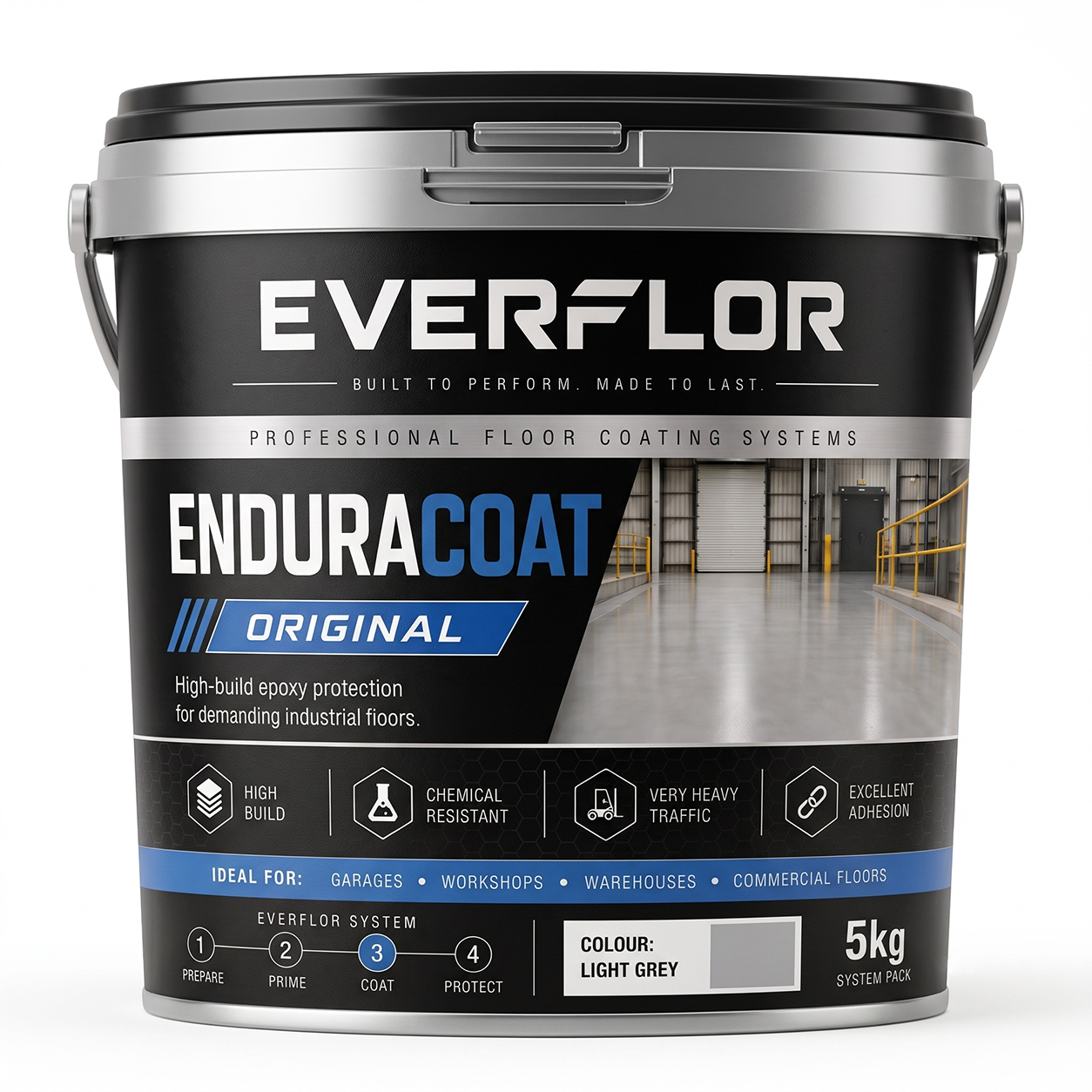
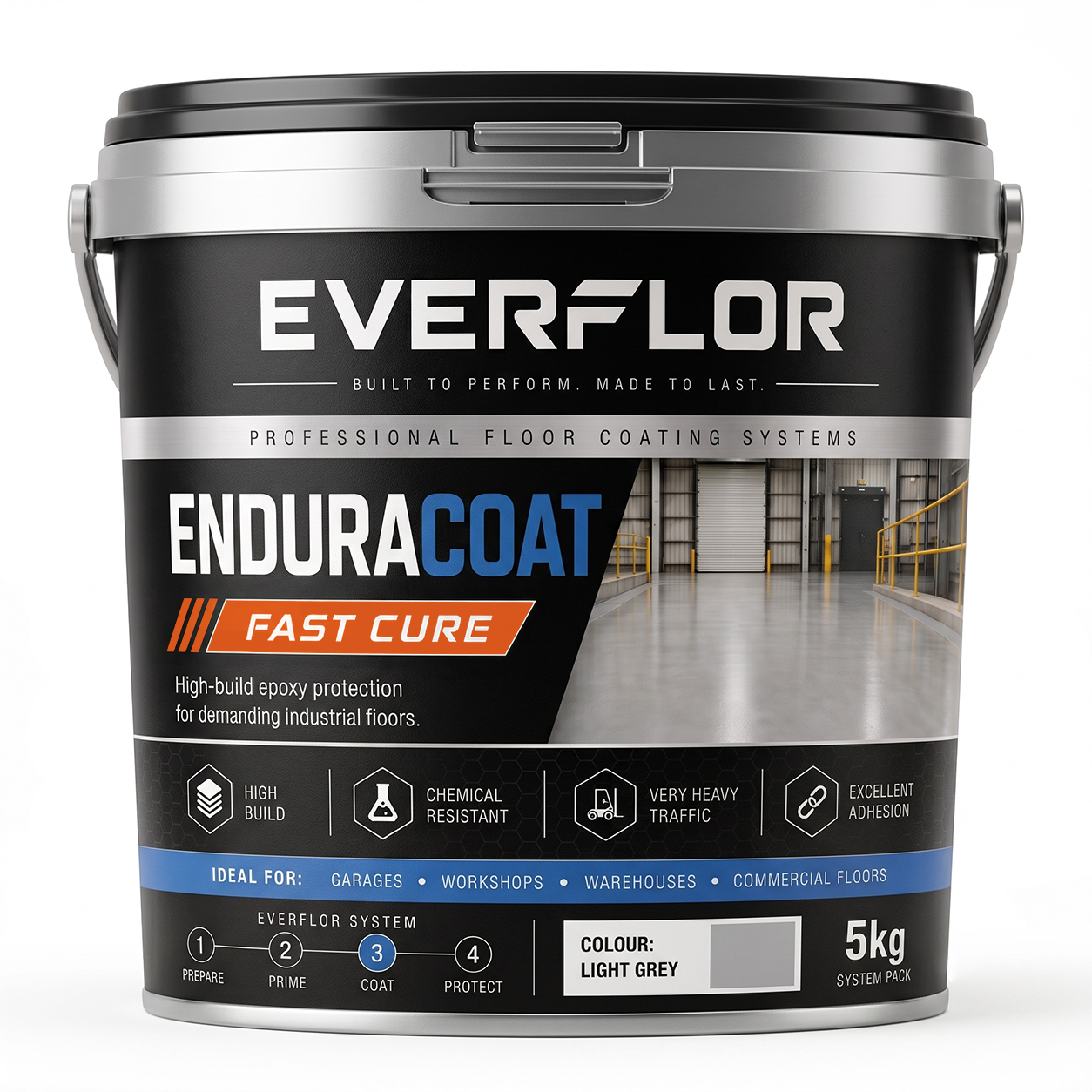
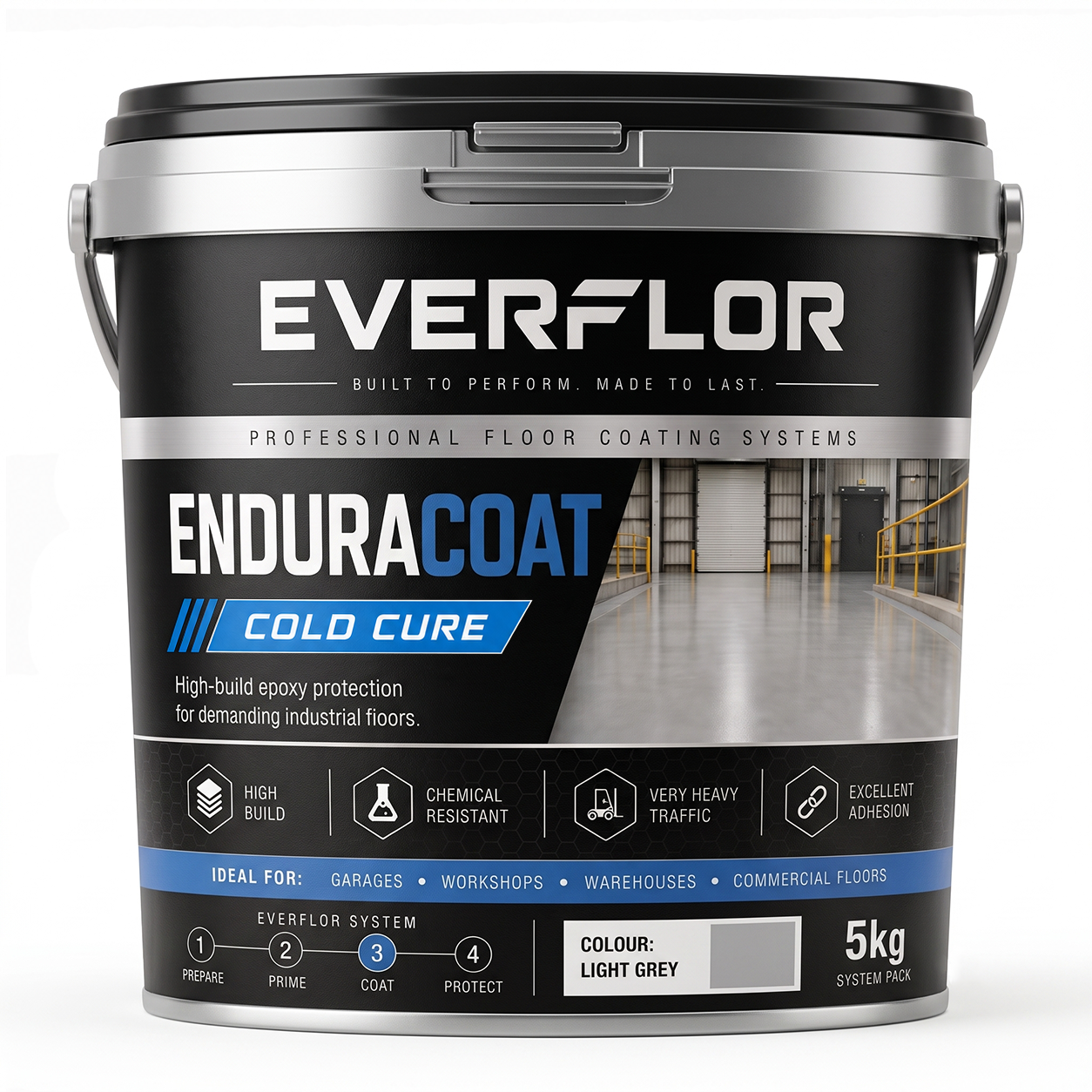
However, where floors are exposed to very heavy mechanical loads, aggressive chemical exposure, or industrial processing conditions, more robust coating systems may be required. High-build epoxy flooring systems can provide increased chemical resistance and greater durability under demanding service conditions.
Selecting the correct hygienic floor system should therefore consider the level of cleaning exposure, the expected traffic load, and the overall operational demands of the facility. Proper preparation and compatible primers remain important components of a reliable hygienic floor coating system.