

Guides and Posts
Of Products
Help Categories
Helpful Staff
Technical Guidance & Surface Solutions
Find the Correct Preparation or Fix
Search by roof type or problem to access the correct technical guide. From concrete tiles and slate to leaks, moss and failed coatings, follow the correct system for long-term protection.
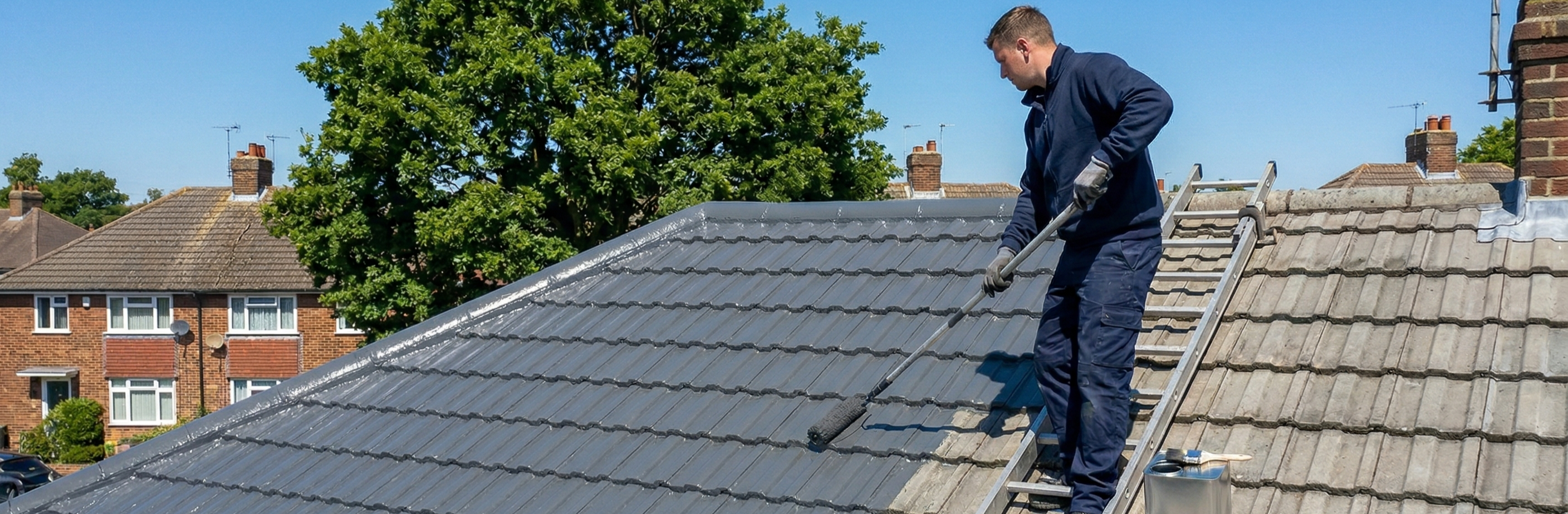
- 0 Kommentare
- von Sam Marriott
Importance of Clear Weather in Drying Period for Roof Painting
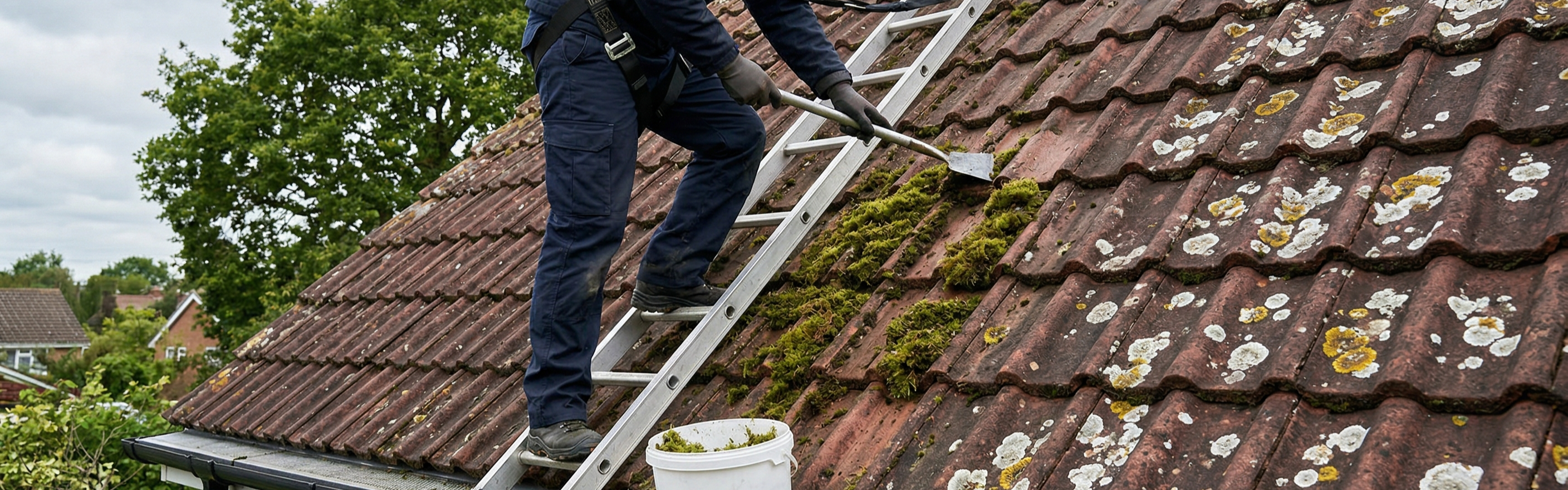
- 0 Kommentare
- von Sam Marriott
Stubborn Moss and Lichen Growth on Roof Tiles
No guides found matching your search.
Try a different keyword.
For Roof Tiles, Slate & Coated Roofs
Roof Paint Troubleshooting
Technical guides to diagnose roof coating failure and surface issues. Covers water ingress, coating breakdown, biological growth and substrate degradation.
Importance of Clear Weather in Drying Period for Roof Painting
Stubborn Moss and Lichen Growth on Roof Tiles
Common Roof Coating Issues Explained
Roof Paint Troubleshooting FAQ’s
WATER INGRESS & LEAKS FAQ’s
Roof systems are exposed to constant weathering. Coatings must prevent water ingress while allowing the structure to perform correctly.
Why is my roof still leaking after painting?
Roof coatings are not designed to fix structural defects such as cracked tiles, damaged flashing or failed joints. If water is entering through physical defects, applying a coating alone will not stop the leak. The roof must first be repaired to a sound condition before any coating system is applied.
Can roof paint stop leaks?
Roof coatings can provide water resistance and protection, but they are not a substitute for structural repair. They help shed water and protect the surface, but cannot bridge significant gaps or movement in the roof structure.
How do I fix water ingress before coating?
Inspect the roof for broken tiles, damaged mortar, failed flashings or gaps. All defects must be repaired or replaced before cleaning and coating the surface.
Does sealing a roof make it waterproof?
Sealants and coatings improve water resistance, but roofs rely on correct construction and drainage. A coating enhances protection but does not replace proper roofing structure.
Can water get under roof coatings?
Yes. If coatings are applied to damp surfaces or over defects, water can still penetrate beneath and cause failure over time.
MOSS, ALGAE & BIOLOGICAL GROWTH FAQ’s
Roof surfaces are highly exposed to moisture and organic growth, particularly in shaded or damp environments.
Why does moss grow on roof tiles?
Moss thrives in damp, shaded areas where moisture is retained. Roofs that receive little sunlight or have poor drainage are particularly prone.
How do I remove moss before painting?
Moss should be physically removed and the surface treated with a suitable biocide to kill remaining spores. This ensures it does not regrow beneath the coating.
Can I paint over moss or algae?
No. All biological growth must be fully removed and treated before applying any coating system.
Why does moss come back after cleaning?
If spores are not fully eliminated, regrowth will occur. Ongoing moisture conditions will also encourage recurrence.
Does coating stop moss growth?
Coatings can reduce water absorption and slow growth, but they do not completely prevent biological activity over time.
FLAKING, PEELING & COATING FAILURE FAQ’s
Coating failure on roofs is usually linked to poor preparation, incorrect application or degraded substrates.
Why is my roof paint peeling?
Peeling is often caused by poor surface preparation, applying coatings to damp or contaminated tiles, or using unsuitable products for the substrate.
Can I recoat over peeling roof paint?
No. All failed coating must be removed before reapplication. Painting over unstable layers will result in further failure.
Do roof tiles need preparation before painting?
Yes. Tiles must be thoroughly cleaned, free from moss, dirt and loose material to ensure proper adhesion.
Does moisture affect roof coatings?
Yes. Applying coatings to damp surfaces can prevent proper curing and lead to peeling or blistering.
How do I ensure good adhesion on roof tiles?
Proper cleaning, drying and correct product selection are essential. In some cases, primers or stabilising sealers may be required.
SEALER FAILURE & POOR PENETRATION FAQ’s
Clear roof sealers rely on penetration into porous surfaces. Incorrect application or substrate condition can lead to failure.
Why is my roof sealer not working?
If the surface is contaminated, damp or already sealed, the product may not penetrate properly, reducing effectiveness.
Can I apply sealer over old coatings?
Only if the surface is compatible. Many sealers require bare, porous substrates to function correctly.
Why does my sealer look patchy?
Uneven absorption across the surface can cause variation in appearance. This is common on weathered or inconsistently prepared tiles.
Does moisture affect sealer performance?
Yes. Moisture can prevent proper penetration and curing, leading to reduced durability.
How do I apply sealer correctly?
Ensure the surface is clean, dry and porous. Apply evenly and avoid over-application, which can lead to surface film formation.
COLOUR LOSS, WEATHERING & SURFACE DEGRADATION FAQ’s
Roof surfaces are exposed to UV, rain and environmental conditions that gradually degrade coatings and substrates.
Why have my roof tiles faded?
UV exposure and weathering break down pigments and surface layers over time, leading to colour loss.
Can I restore faded roof tiles?
Yes. Suitable roof coatings can restore colour and provide renewed protection against the elements.
Does sealing improve appearance?
Clear sealers can enhance colour depth slightly, while pigmented coatings can fully restore appearance.
Why does my roof look uneven after coating?
This can be caused by inconsistent preparation, varying porosity or uneven application of the coating.
How long do roof coatings last?
Durability depends on exposure, substrate condition and product quality, but coatings will gradually degrade and require maintenance over time.

The Help & Technical Hub
Our coatings are backed by more than just performance — they’re supported by clear documentation, practical guides, and real technical support.
The Help & Technical Hub brings together preparation guides, application advice, FAQs, SDS & TDS downloads, and system recommendations to help you choose, apply, and maintain the right coating with confidence.