

Guides and Posts
Of Products
Help Categories
Helpful Staff
Technical Guidance & System Selection
Find the Correct Preparation or Fix
Search by preparation method or problem to access the correct technical guide. From grinding and etching to moisture, oil and coating failure, follow the right process for your substrate.

- 0 Kommentare
- von Sam Marriott
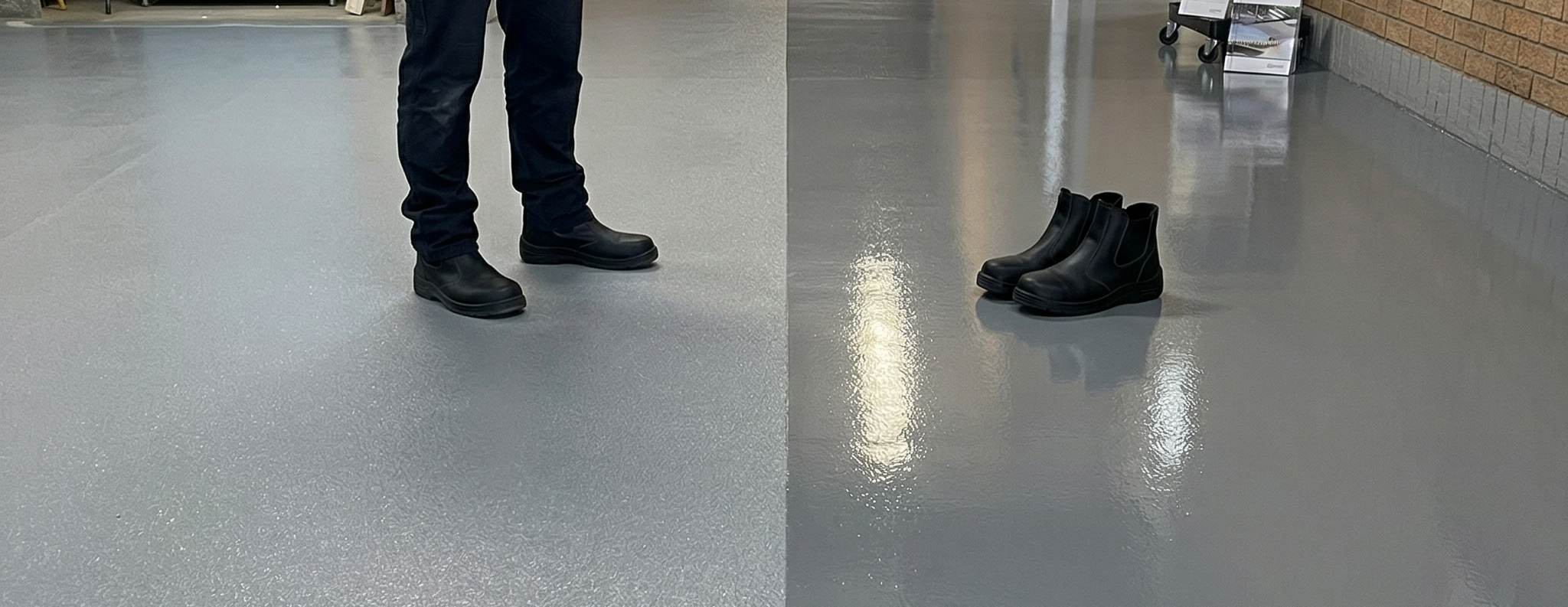
Adhesion Failure on Self Levelled and Power Floated Floors
- 0 Kommentare
- von Sam Marriott
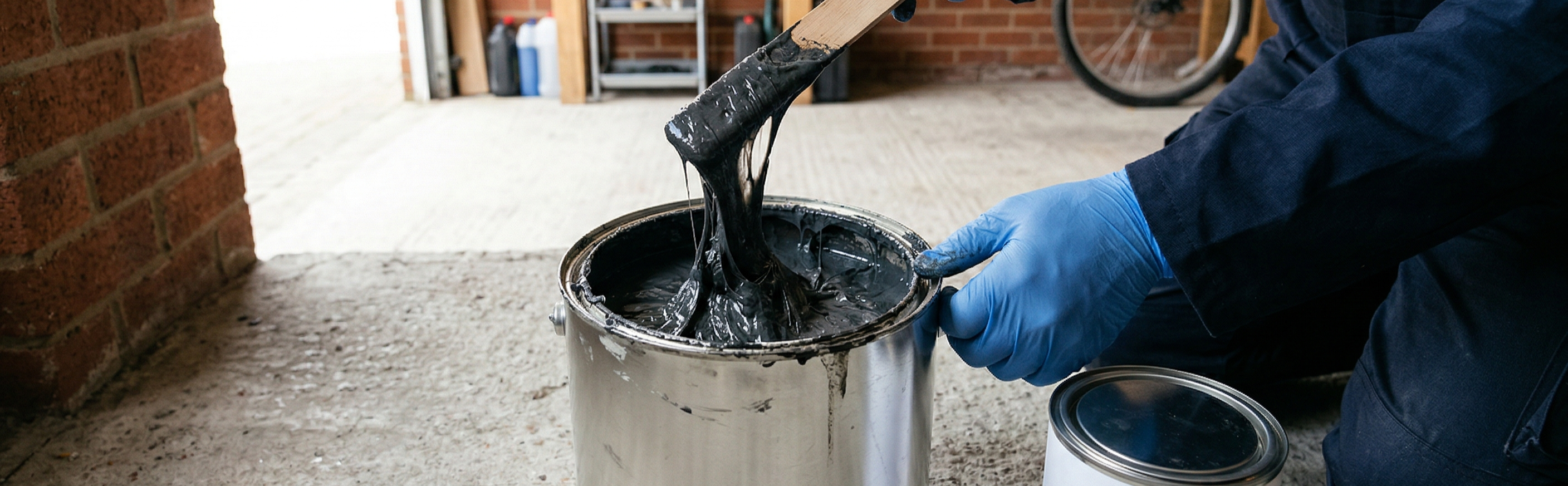
Painted Floor too Slippery? Benefits and Applications of Anti-Slip Floor Paint
- 0 Kommentare
- von Sam Marriott
Two-Pack Epoxy Hardened Too Fast? How to Manage Pot Life
No guides found matching your search.
Try a different keyword.
For Failed Coatings & Problem Floors
Floor Paint Troubleshooting
Technical guides to diagnose coating failures and apply the correct remedial system. From peeling and blistering to damp and contamination, identify the cause and fix it properly.
Adhesion Failure on Self Levelled and Power Floated Floors
Painted Floor too Slippery? Benefits and Applications of Anti-Slip Floor Paint
Two-Pack Epoxy Hardened Too Fast? How to Manage Pot Life
Common Coating Failures Explained
Floor Paint Troubleshooting FAQ’s
PEELING & DELAMINATION FAQ’s
Peeling coatings are almost always caused by poor adhesion. This typically results from inadequate surface preparation, contamination or applying coatings to sealed or smooth concrete.
Why is my floor paint peeling?
Peeling occurs when the coating cannot bond to the substrate. Common causes include laitance, previous sealers, smooth powerfloated concrete or insufficient mechanical preparation.
How do I fix peeling floor paint?
All failed coating must be fully removed by grinding or shot blasting. The surface must then be properly prepared before reapplying a suitable primer and coating system.
Can I paint over peeling paint?
No. Any loose or poorly bonded coating will continue to fail. All weak material must be removed back to a sound substrate before recoating.
Does smooth concrete cause peeling?
Yes. Powerfloated or dense concrete prevents penetration and adhesion. Mechanical preparation is required to open the surface profile.
Do I need a primer to stop peeling?
In most cases, yes. A suitable primer improves adhesion, especially on porous or previously prepared substrates.
BLISTERING & BUBBLING FAQ’s
Blistering is typically caused by trapped moisture, air or solvent vapours beneath the coating. It is a common issue on damp or unsealed concrete.
Why is my floor paint bubbling?
Bubbling usually occurs when moisture or air is trapped beneath the coating during curing. This is common on damp concrete or when coatings are applied too thickly.
Can moisture cause blistering?
Yes. Moisture vapour rising through the slab creates pressure, causing the coating to lift and form blisters.
How do I fix blistered floor paint?
Remove all affected areas, allow the substrate to dry if possible, and apply a moisture-tolerant or breathable system if damp cannot be eliminated.
Does temperature affect blistering?
Yes. High temperatures can cause rapid curing, trapping air or solvent and leading to bubbling.
Can I recoat over bubbles?
No. Blistered coatings must be removed before recoating, otherwise failure will continue.
CONTAMINATION & OIL FAQ’s
Oil, grease and chemical contamination prevent coatings from penetrating and bonding to the substrate. Proper degreasing is critical before any preparation.
Will oil stop floor paint sticking?
Yes. Oil contamination blocks adhesion and will cause coating failure if not fully removed.
How do I remove oil from concrete?
Use a heavy-duty degreaser and repeat cleaning if required. In severe cases, mechanical preparation may still be needed after cleaning.
Can I paint over an old garage floor?
Only if it is clean and properly prepared. Any oil, tyre residue or previous coatings must be removed or stabilised.
What happens if I skip degreasing?
The coating will fail prematurely, often peeling or lifting in contaminated areas.
Does pressure washing remove oil?
Not fully. Pressure washing helps, but chemical degreasing is required to break down embedded contaminants.
DUSTING, FLAKING & WEAK SURFACES FAQ’s
Weak or dusty concrete surfaces cannot support a coating system. These must be stabilised or removed before application.
Why is my concrete floor dusty?
Dusting is caused by weak surface laitance or poor curing. The top layer of concrete breaks down under use.
Can I paint over dusty concrete?
No. Dust prevents adhesion. The surface must be mechanically prepared and stabilised before coating.
How do I fix a dusty concrete floor?
Grind or remove the weak surface layer, then apply a suitable primer or sealer to stabilise the substrate.
What causes flaking concrete?
Flaking is often due to poor surface strength, moisture damage or freeze-thaw cycles.
Do I need a primer on weak concrete?
Yes. A penetrating primer helps bind the surface and improve coating adhesion.
DAMP & MOISTURE FAQ’s
Moisture within concrete is a major cause of coating failure. It must be assessed before selecting a coating system.
Can I paint a damp concrete floor?
Standard coatings should not be applied to damp concrete. Moisture can cause blistering and adhesion failure.
How do I know if my floor has moisture?
Common signs include dark patches, condensation or previous coating failure. Moisture testing provides a more accurate assessment.
What happens if I ignore moisture?
The coating may blister, peel or fail prematurely due to pressure from moisture vapour.
Are there paints for damp floors?
Yes. Moisture-tolerant or breathable systems are designed for substrates where damp cannot be fully eliminated.
Does sealing the floor stop moisture?
Not always. Moisture can still rise through the slab unless a proper damp-proof system is used.
The Help & Technical Hub
Our coatings are backed by more than just performance — they’re supported by clear documentation, practical guides, and real technical support.
The Help & Technical Hub brings together preparation guides, application advice, FAQs, SDS & TDS downloads, and system recommendations to help you choose, apply, and maintain the right coating with confidence.